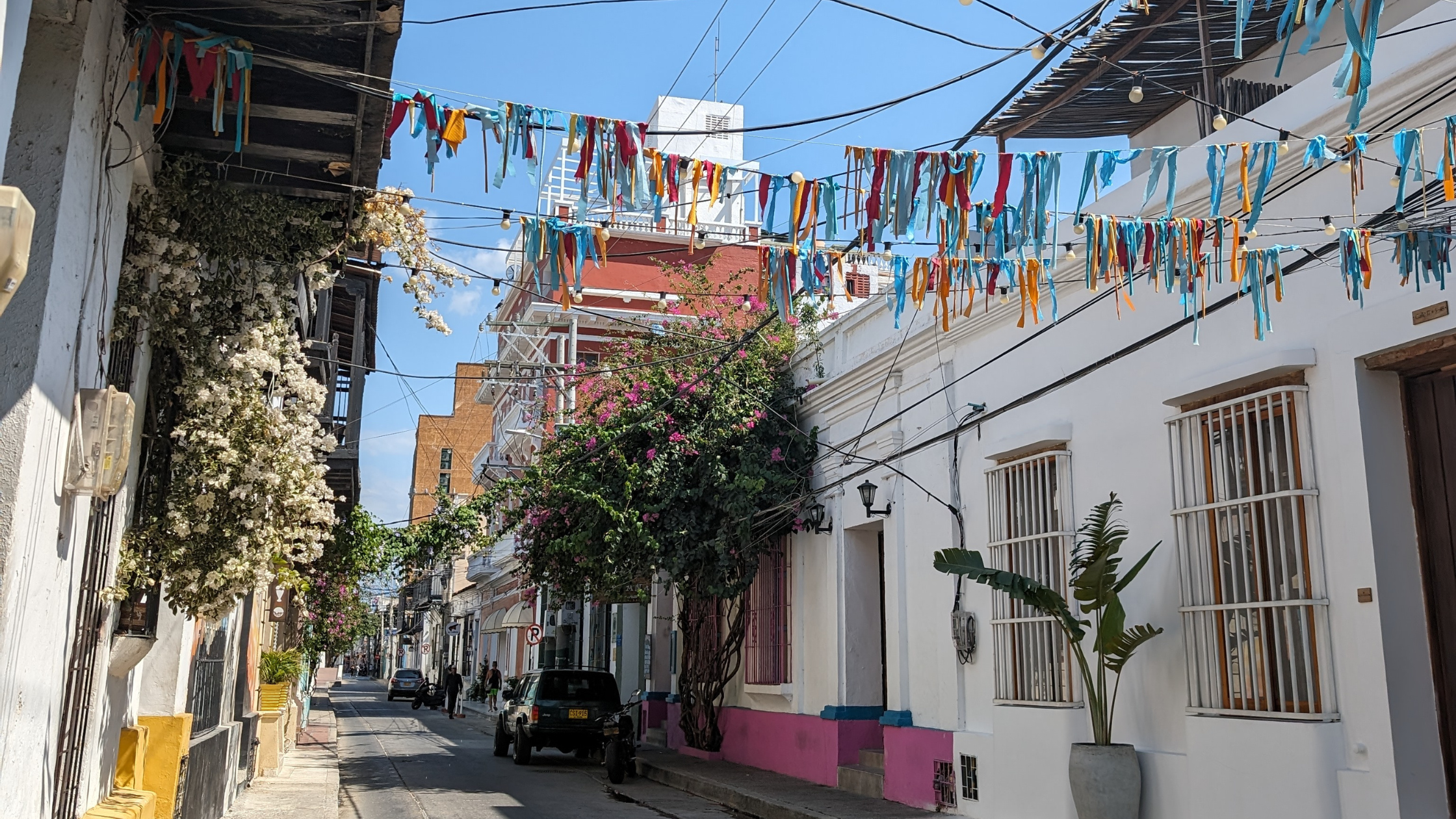
Before embarking on my journey to Santa Marta, Colombia’s oldest city nestled along the Caribbean coast, there were several things I wish I had known that would have made my visit even more better. From the best times to travel to local customs, here’s a comprehensive rundown of all the insights that would have enhanced my experience in this vibrant yet laid-back city. As a solo female traveler some extra tips on this city would have been great.
Optimal Travel Times
Santa Marta is ideally visited between December and March when the weather is at its driest and sunniest. I quickly learned that this is crucial for avoiding the rainy seasons, which occur from April to June and from October to November, and can significantly hinder outdoor activities and travel plans.
Language Barriers
Knowing that Spanish is the primary language spoken in Santa Marta, I underestimated the language barrier. English is less prevalent outside of major tourist areas and hotels. Even though I speak a bit of Spanish, somehow communicating with the locals here was harder than in Panama and Mexico. A better grasp of basic Spanish phrases would have facilitated smoother interactions with locals and enriched my cultural experience. Nonetheless, the residents of Santa Marta are incredibly friendly and engaging.
Packing Essentials
The climate in Santa Marta is predominantly hot and humid. Lightweight, breathable clothing is essential, not just for comfort but to withstand the heat, especially when exploring. Essentials I wish I had packed include a high-SPF sunscreen, a durable sun hat, and quality sunglasses. Also, for those planning to venture into the parks and beach running or hiking shoes are advised.
Transportation Tips
Navigating Santa Marta can be challenging. The city’s public transport system primarily consists out of buses and taxis. Buses are economical but may not adhere strictly to timetables. Taxis are affordable and more reliable in terms of timing, though it’s best to ensure they are metered or to agree on a fare upfront to avoid overcharges. Especially for female solo travellers, I advise to take public transport as taxis sometimes take a longer route to be able to charge more. For more flexibility, consider renting a car for day trips or excursions outside the city.
Safety Concerns
While Santa Marta is generally safe for tourists, petty crime can be an issue, particularly in crowded areas and on less frequented beaches. I wish I had been more vigilant with my belongings and avoided carrying valuables unnecessarily. It’s advisable to stay in well-populated areas at night and always maintain awareness of your surroundings. My guide of the free walking tour advised me to take off my (fake) golden jewellery, which I did.
Attractions to Prioritise
Santa Marta is full of must-visit spots, but knowing which ones to prioritize would have helped me plan better:
- Historic Center: This area is filled with charm and history. A free guided tour might have given me deeper insights into its significance.
- Tayrona National Park: Just a short trip from the city, the park is a natural wonder that deserves at least a full day for exploration.
- Quinta de San Pedro Alejandrino: More than just a historical site, it offers beautiful gardens and art exhibits.
- Taganga: Ideal for snorkeling and experiencing the local fisherman culture.
Final Advice
Santa Marta is a city that offers a mix of history, natural beauty, and culture. Knowing these tips beforehand would have not only smoothed some logistical aspects of my trip, but also deepened my appreciation of everything this city has to offer.
Let’s explore,
L. as Wilma
Leave a Reply